 Shared by @bdunwood.bsky.social ↗
 vktr.com27m ago
 Shared by @pocketlintcom.bsky.social ↗
 bit.ly27m ago
 Shared by @johnpaulsmiley.bsky.social ↗
 biometricupdate.com27m ago
Chinese AI lab Z.ai has released GLM-5.2, a 753-billion parameter Mixture-of-Experts model with a 1-million-token context window, now available under an MIT open-source license. The model, which features 40 active parameters and is text-only input, was first made available to coding plan subscribers on June 13th before a public release on June 16th, according to Simon Willison's blog. "Z.ai launches GLM-5.2 with 1-million-token context window; MIT-licensed release coming next week" Hacker News reported that initial access was limited to subscribers of the GLM Coding Plan, while the broader MIT-licensed release is expected next week. This marks a significant leap from the previous GLM-5.1 model, which had a 200,000-token context window. The release is positioned as a direct response to US export restrictions targeting Anthropic models, according to Pandaily. The outlet noted that the move showcases "China's push for AI self-reliance and open-source alternatives amid escalating tech tensions between the US and China." "The key challenge addressed is making long context engineering-usable by ensuring reliability under real engineering pressure, rather than simply accepting more tokens." Hugging Face highlighted that GLM-5.2 is designed specifically for long-horizon tasks, delivering substantial improvements over GLM-5.1 by maintaining quality across long, complex coding-agent trajectories. The model's massive context window could enable processing of extremely long documents or codebases in a single pass, as noted by Hacker News. Simon Willison's blog reported strong community buzz around the release, underscoring the model's potential impact on open-source AI development. With its MIT license and million-token capability, GLM-5.2 represents a notable advancement in making long-context AI models accessible to developers worldwide.
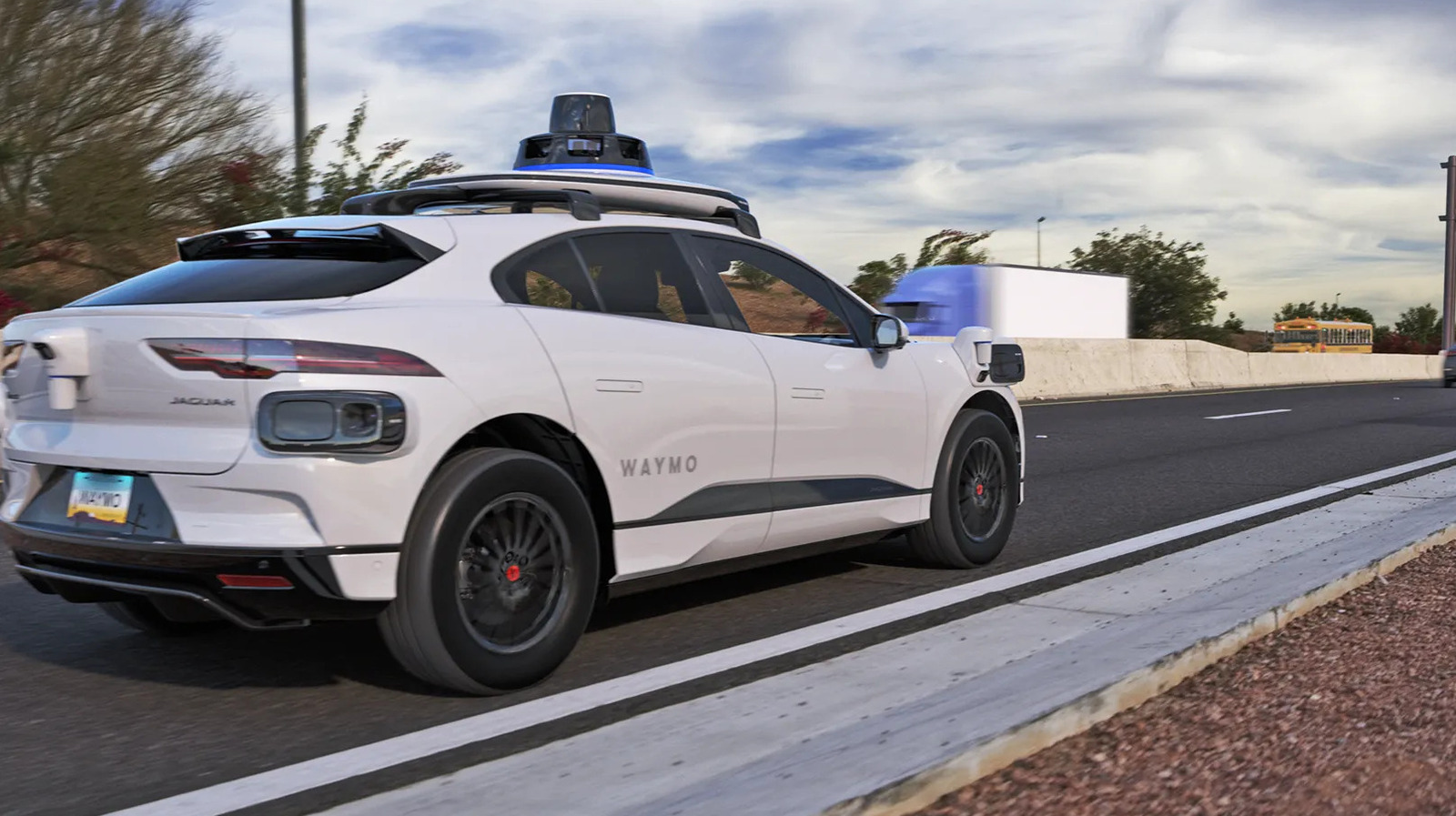
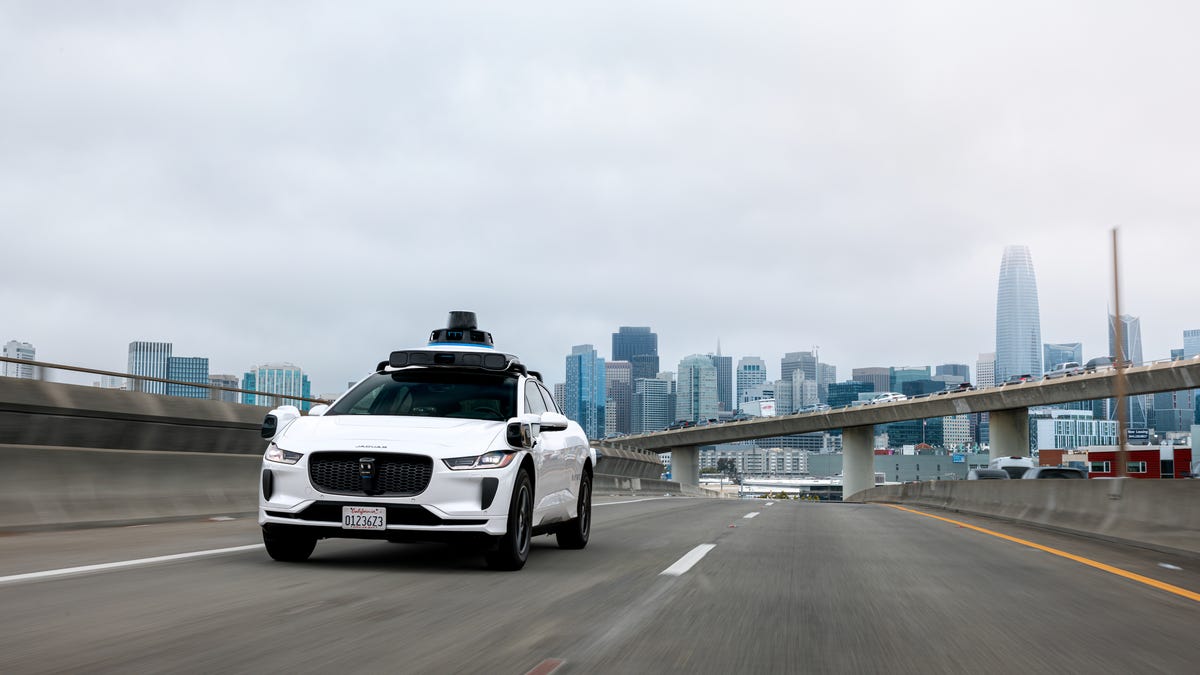
Waymo is recalling over 3,800 of its self-driving taxis due to a software issue that could cause the vehicles to mistakenly drive onto closed freeway construction zones at speed. The recall, which affects the majority of Waymo's active fleet, involves a software update to fix the
 engadget.com·Tech by Flipboard·27m ago·3 min read
A Department of Homeland Security document reveals plans to provide local police working with federal immigration authorities access to the same facial recognition technology used by ICE agents. The document, a Privacy Threshold Analysis reported by 404 Media, assesses whether th
 npr.org·Tech by Flipboard·27m ago·6 min read

 Shared by @enerdata.bsky.social ↗
 enerdata.net27m ago
 Shared by @autom.bsky.social ↗engadget.com27m ago
 Shared by @johnpaulsmiley.bsky.social ↗
 economist.com28m ago
 Shared by @worldnewsguru.bsky.social ↗
 worldnewsguru.us28m ago
 Shared by @druce.ai ↗
 washingtonpost.com28m ago
 Shared by @thecockburn.bsky.social ↗
 tinyurl.com28m ago
 Shared by @druce.ai ↗
 businessinsider.com29m ago
 Shared by @natolambert.bsky.social ↗
 interconnects.ai30m ago
 Shared by @druce.ai ↗
 techradar.com30m ago